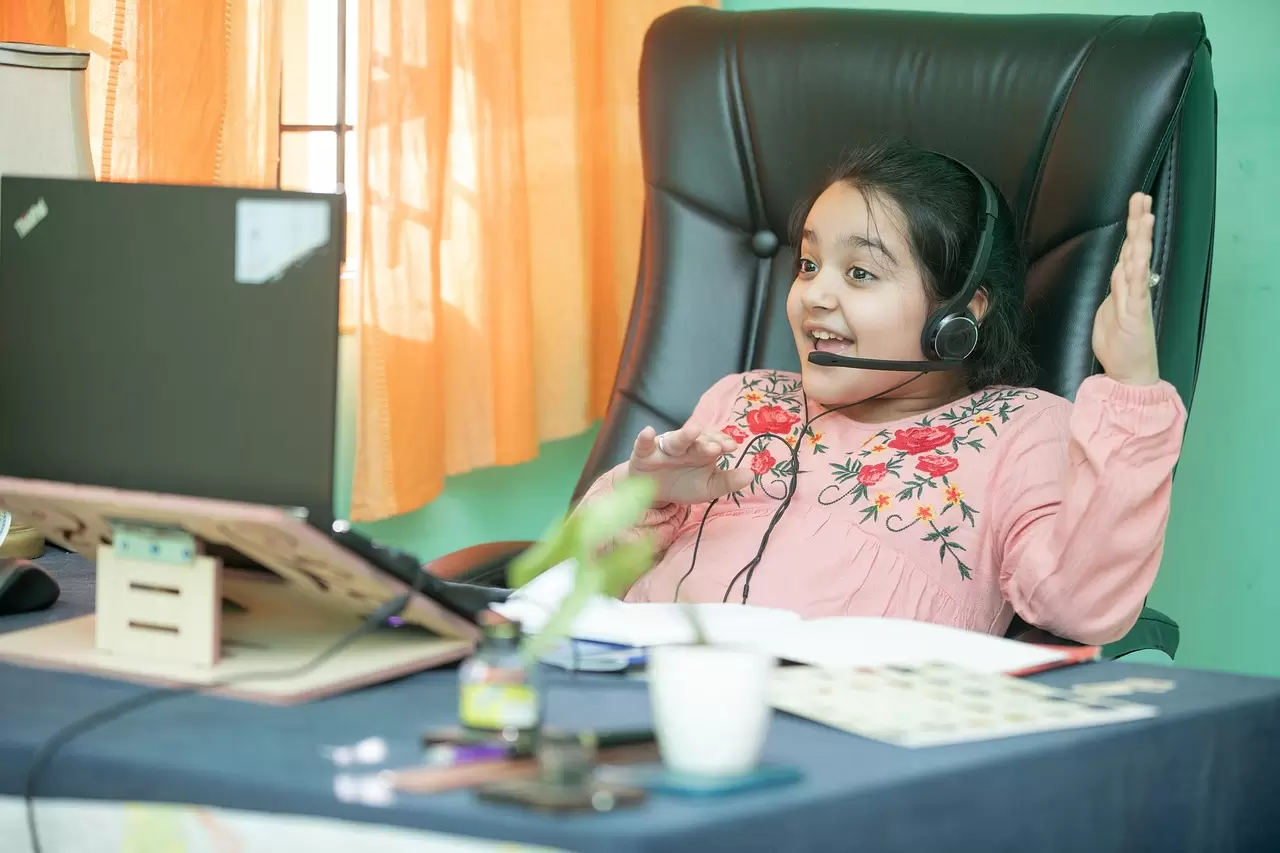
The main benefits of a native French-speaking tutor are natural pronunciation, everyday expressions your child will not find in a textbook, and regular practice listening to French as it is really spoken. For many children, talking with a native speaker also makes French feel alive and real.
Being a native speaker is not the only thing that makes a good tutor, though. This guide explains what native speakers bring, what else to look for and how to get the most from the experience.
Pronunciation and accent
Children copy what they hear. When the voice they hear most often in French belongs to a native speaker, they pick up the sounds, rhythm and intonation of the language. French has sounds that do not exist in English, such as the French "r", nasal vowels and the difference between "u" and "ou". A native speaker can model these clearly and notice small slips before they turn into habits.
Good pronunciation is more than polish. It helps your child be understood, and it makes speaking feel less awkward, which encourages them to speak more.
Everyday French and natural expressions
Textbooks teach correct French, but not always the French people use in daily life. A native speaker naturally uses common expressions, polite turns of phrase and the small words that make speech sound fluent. Your child learns how to react, agree, ask for help and keep a conversation going, which is exactly what they need to feel at ease.
Stronger listening skills
Many students understand their teacher well but struggle when they hear French spoken at a natural speed. Regular conversation with a native speaker trains the ear. Your child gets used to linked words, natural pace and the way sounds blend together, which helps in class, in oral tests and in listening exercises.
Culture that brings the language to life
Language and culture go together. A native speaker can share songs, stories, books, food, celebrations and daily habits from the French-speaking world. This makes lessons richer and gives children reasons to care about French beyond marks. A child who is curious about the culture tends to stay motivated for longer.
Confidence speaking with a real French speaker
Speaking with a native speaker can feel intimidating at first. In a patient, one-to-one setting, that quickly turns into a strength. Once a child realizes they can be understood by a native speaker, and can understand them in return, their confidence grows. That confidence carries over to the classroom and beyond. See our ideas for French conversation practice for kids.
What about Canadian French and other accents?
French is spoken in many countries, with different accents and some different words. Children in Ontario hear a range of accents from teachers, classmates and media. Learning with a native speaker of any variety builds a strong base, and the more accents a child hears, the better their listening becomes. Grammar and most vocabulary are shared, so your child is learning the same language that is used in Ontario classrooms.
Native speaker is not the whole picture
Speaking a language natively is not the same as knowing how to teach it to children. When you choose a tutor, look for these qualities as well.
- Experience with children and teens: they know how to keep sessions lively and pitched at the right level.
- Clear explanations: they can explain grammar in simple terms, not just say "that is how it sounds".
- An individual plan: they work out your child's level and goals and plan around them.
- Patience: they slow down, rephrase and encourage, especially with beginners.
- Familiarity with school French: they can support the homework and tests your child faces in Ontario.
Our guide on how to find a good French tutor for your child lists the questions to ask.
Who benefits most from a native-speaking tutor?
- Immersion students who need more exposure to natural spoken French.
- Children whose families do not speak French at home.
- Students working on oral presentations or the speaking part of an exam.
- Teens who read and write well but freeze in conversation.
- Young children starting out, who copy sounds with ease.
Making the most of sessions with a native speaker
Encourage your child to ask questions, such as how to say something more naturally or what a phrase really means. Ask the tutor for a few expressions to use at home during the week. And let your child lead some conversations on topics they love, since that is where real fluency grows. Reading together also helps; see French reading tutoring for children who want to read more.
What a session with a native speaker can look like
A session usually starts with an easy conversation about your child's week, which gets them listening to and speaking natural French from the first minute. The tutor might then read a short story or text together, stopping to explain expressions and to practise the sounds that are tricky for English speakers. Grammar is woven in through examples your child can hear and repeat, and school homework can be part of the plan when needed.
Along the way, the tutor gently models the correct form when your child makes a mistake, so your child hears it said naturally. Over time, this steady exposure to natural French helps your child speak more smoothly and understand more of what they hear.
Ask your child to teach you one new French expression after each session. Explaining it to you helps them remember it.
Learn with Lucille
Lucille is a native French speaker with more than 20 years of one-to-one tutoring with children and teens. Every session is private, online and planned around your child, with conversation, reading and literature at the heart of the work. Read more about Lucille or learn about private French tutoring for kids.