

Reading and literature
One-to-one help for children learning to read in French, and for teens working through novels, poems and plays.
Speaking practice
Regular one-to-one conversation with a native speaker, so your child gets the speaking time a classroom rarely gives.
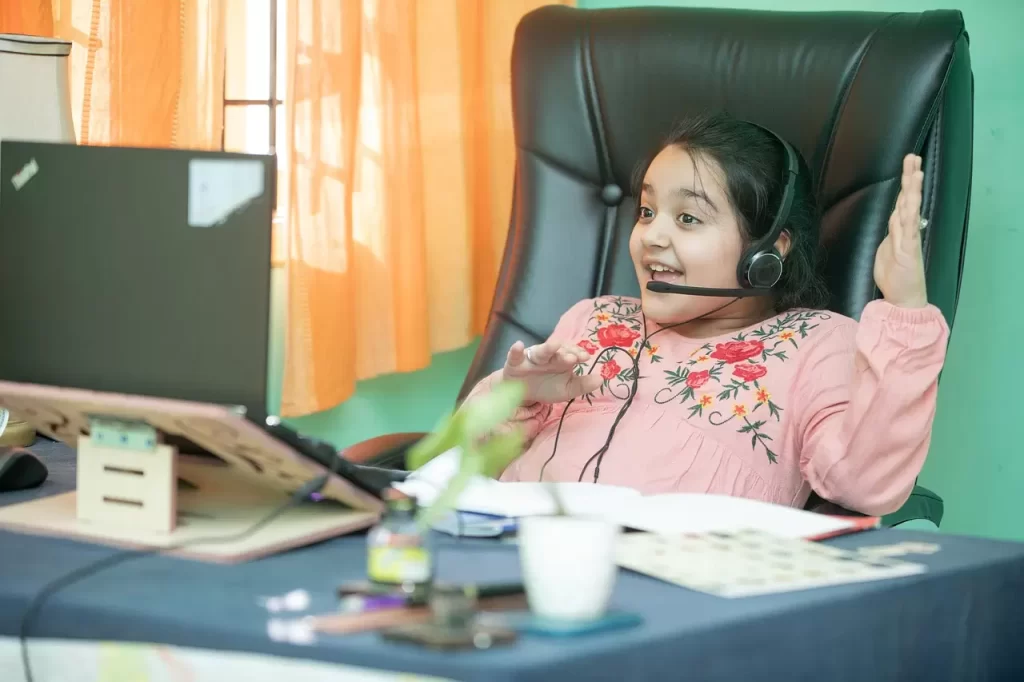
A French conversation tutor for kids gives your child what school rarely can: long stretches of real speaking with a fluent partner who listens and responds. Lucille, a native French speaker in Toronto, holds one-to-one online conversation sessions for children and teens, planned around their level, interests and goals.
In a full classroom, each student may only get to speak French for a few minutes a day. Many children understand a lot of French and can do written work, yet go silent when asked a question. Speaking is a skill that grows with practice, and the practice has to happen somewhere.
Conversation sessions are relaxed, but they are planned. Lucille chooses topics and activities that stretch your child a little past what they can already say. A session might include:
Along the way, Lucille notes words your child is missing and errors that repeat, then works them into the next session so they stick.
Younger children start with short exchanges: greetings, colours, likes and dislikes, simple questions. Games and pictures keep it fun, and children are praised for every attempt. See French for preschoolers for early childhood sessions.
Elementary students move on to describing, comparing, telling what happened and asking questions back. They learn the small words that make speech flow, like connectors and everyday expressions.
Teens work on discussion: giving and defending opinions, debating a topic, preparing oral presentations and speaking more naturally. For school-specific oral work, see French tutoring for high school students.
Many children know enough words to answer and still hold back. They worry about mistakes, about their accent, or about classmates laughing. A private session removes the audience. Lucille lets children finish their thought before correcting, chooses one or two corrections that matter most, and celebrates effort.
Over time, speaking French stops feeling risky. Parents often notice it first at home: a child who used to refuse now says a few sentences to a relative, or answers a question in class.
Children imitate what they hear. Weekly conversation with a native speaker gives them a model for natural rhythm, linking between words and the sounds that do not exist in English, like the French r and nasal vowels. Lucille corrects pronunciation playfully, often by having children exaggerate a sound until they find it. Read more in the benefits of a native French speaking tutor.
Immersion students usually understand a great deal but may have fewer chances to speak at length, especially in larger classes. Core French students have less daily French time, so conversation sessions add the speaking practice their program cannot fit in. Both groups benefit from regular one-to-one talk. See French immersion tutoring and core French tutoring for program details.
Children who talk about what they read understand it better, and children who can say an idea out loud write it more easily. Conversation sessions often blend in a short reading or a quick written follow-up, so speaking feeds the other skills. If reading is a priority, look at French reading tutoring.
Children who are told they are wrong every time they open their mouths soon stop opening them. In conversation sessions, the priority is getting ideas across. Lucille listens for meaning first, responds to what your child said, and then models a better way to say it in her reply. Your child hears the correct form in a natural way, without the sting of being stopped mid-sentence.
For repeated errors, she sets aside a few minutes for focused practice later in the session. That balance keeps children talking while their French steadily becomes more accurate.
Teens in particular appreciate this approach. They can try out more complex ideas without worrying about every ending, and the accuracy follows with practice.
Our post on French conversation practice for kids has more ideas.
Sessions are online and one to one, with day, evening and weekend times subject to availability. Spaces are limited and offered first come, first served. Call (416) 733-7694 or write through the contact page.
Regular conversation with a fluent speaker is the most direct way. French shows, songs and simple routines at home also help. A weekly one-to-one session gives your child steady speaking time.
Topics your child already cares about work well: pets, friends, sports, games, food and favourite shows. Lucille plans topics around each child's interests and level.
Yes, many children understand much more than they say, especially in a group setting. Low-pressure, one-to-one practice often helps them start speaking.
Hearing and imitating a native speaker every week helps children develop natural rhythm and pronunciation. Lucille gives gentle, playful feedback on sounds.
Yes. Beginners start with short, simple exchanges and build up. Speaking from the start helps vocabulary stick.
Yes. All sessions are live, online and one to one with Lucille.
Yes. Older students can practise presentations and discussions, and learn phrases for giving opinions and explaining ideas.
Fees depend on the plan your child needs. Lucille gives the details when you call (416) 733-7694 or write through the contact page.
Lucille works with children and teens up to 18, from early childhood through high school. Topics and activities change with each age group.
One-to-one help for children learning to read in French, and for teens working through novels, poems and plays.

Live one-to-one French lessons your child joins from home, with a native speaker who plans every session around them.

Private online sessions for teens who need help with essays, oral work, literature or the jump into high school French.
Spaces for evenings and weekends are limited and go first come, first served. Call Lucille or send a short message about your child, their grade and what they need help with.
 Call Now