
Online French tutor
Live one-to-one French lessons your child joins from home, with a native speaker who plans every session around them.
Early childhood
Gentle, playful French for little ones, with songs, pictures and games that make new sounds feel like fun.
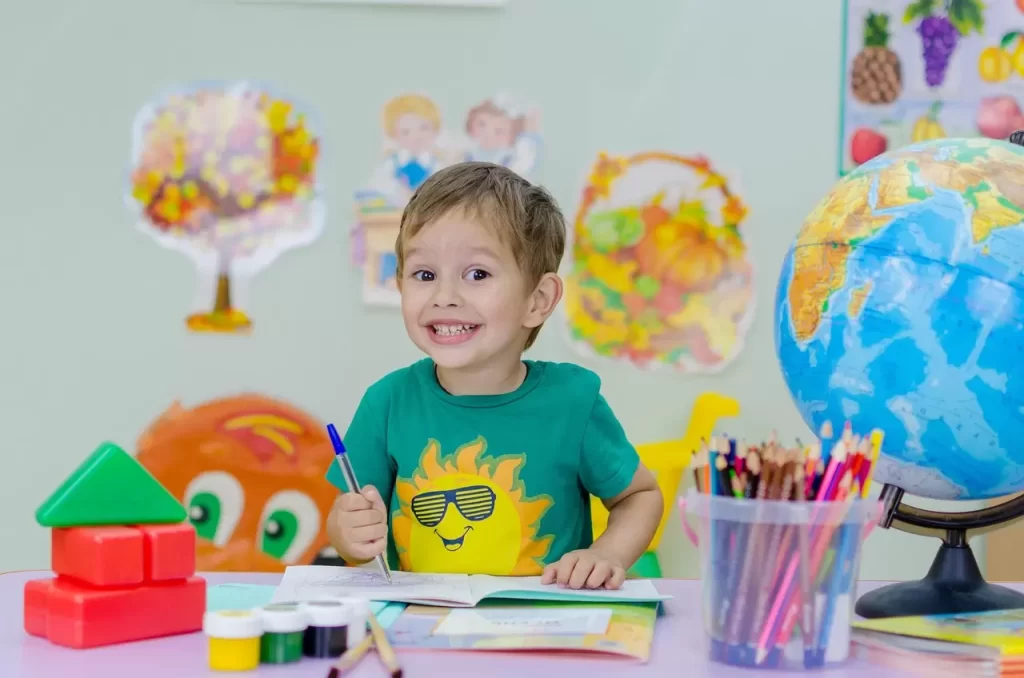
Yes, French for preschoolers works well when it feels like play: songs, rhymes, picture games and lots of friendly talk. Lucille, a native French speaker based in Toronto, offers one-to-one online sessions for early childhood learners, with activities made for each child and the patience little ones need.
Young children are natural copycats. They repeat songs, try out funny sounds and enjoy saying words in a new way. That makes the preschool years a lovely time to introduce French. At this age the goal is enjoyment and familiarity, and grammar can wait.
Every session is planned around your child, but early childhood lessons usually include:
Activities change quickly to match short attention spans. When a child gets wiggly, Lucille switches to something new. Lessons are designed so the child does most of the talking, pointing and moving.
Parents are right to ask. Little children do not sit still, and a screen can only hold attention for so long. Online lessons for preschoolers work because they are live and interactive: your child sees a real, friendly face reacting to them, hears their name and gets a response every time they speak.
A few things make it easier:
The online French tutor page has more about the setup.
At this age, success looks like recognizing words, joining in songs, answering simple questions and enjoying French. Children may understand far more than they say at first, which is normal. Over time they start to use words and short phrases on their own, sometimes at surprising moments at home.
The individualized learning plan sets small, realistic goals. One child might focus on colours and numbers, another on animals because that is what they love. Materials are created fresh for each child, which keeps them curious.
Some families start preschool French because their child will enter French immersion. Hearing French early helps a child feel less surprised when the classroom switches language. Children who already know greetings, colours, numbers and classroom words often settle in more easily.
If immersion is on your mind, our posts on what French immersion is in Ontario and whether French immersion is worth it can help you decide. Once your child starts school, the French immersion tutor page explains how support continues.
Most families who start preschool French do not speak it themselves. That is fine. Your role is to be curious and encouraging. Sing the songs your child learns, ask them to show you a word, and play some French children's music in the car. Our guide to helping your child learn French at home has more simple ideas.
Preschoolers should leave every session happy. Lucille never pushes a little one to perform. If a child is shy, she might start by having them point or nod, then move to single words when they are ready. If a child has an off day, the session becomes lighter, with more songs and fewer questions. Children remember how French made them feel long before they remember grammar, so a warm start matters.
Parents often ask how they will know it is working. Look for small signs: humming a French song during play, saying a colour or number in French without being asked, or getting excited when it is time for the lesson. Those moments show French is becoming part of your child's world.
Young children pick up the sounds of a language from the people they hear. Lucille's native French gives your child a natural model for rhythm and pronunciation from the very first words. She has more than 20 years of one-to-one tutoring with children, and early childhood is one of the levels she teaches. Read more on the about Lucille page.
Sessions are online and private, with day, evening and weekend times subject to availability. Spaces are limited and offered first come, first served. Call (416) 733-7694 or use the contact page to tell Lucille about your child, their age and what they enjoy.
Young children can begin to pick up the sounds, words and simple phrases of a new language through play and repetition. The aim at this age is familiarity and enjoyment. Regular, friendly exposure matters most.
No. Two is a very early age to start, and children can begin learning a new language at any stage of childhood. What matters is gentle, regular contact with the language.
Sessions are live and interactive, with songs, pictures, movement and simple questions. Activities change often to match short attention spans, and a parent nearby helps young children settle.
For preschoolers, having a parent or caregiver close by is helpful, especially in the first sessions. As your child gets comfortable, you can step back.
Many children grow up with more than one language. If you have questions about your own child's speech development, talk with your family doctor or a speech professional.
Common early topics include greetings, colours, numbers, animals, food and family. The plan is built around what your child enjoys.
It can help. Children who already know some greetings, colours and classroom words often feel more comfortable when they start in a French classroom.
Fees depend on the plan. Lucille gives the details when you call (416) 733-7694 or write through the contact page.
Lucille teaches early childhood learners as well as older children and teens. Call to talk about whether your child is ready for online sessions.
Live one-to-one French lessons your child joins from home, with a native speaker who plans every session around them.
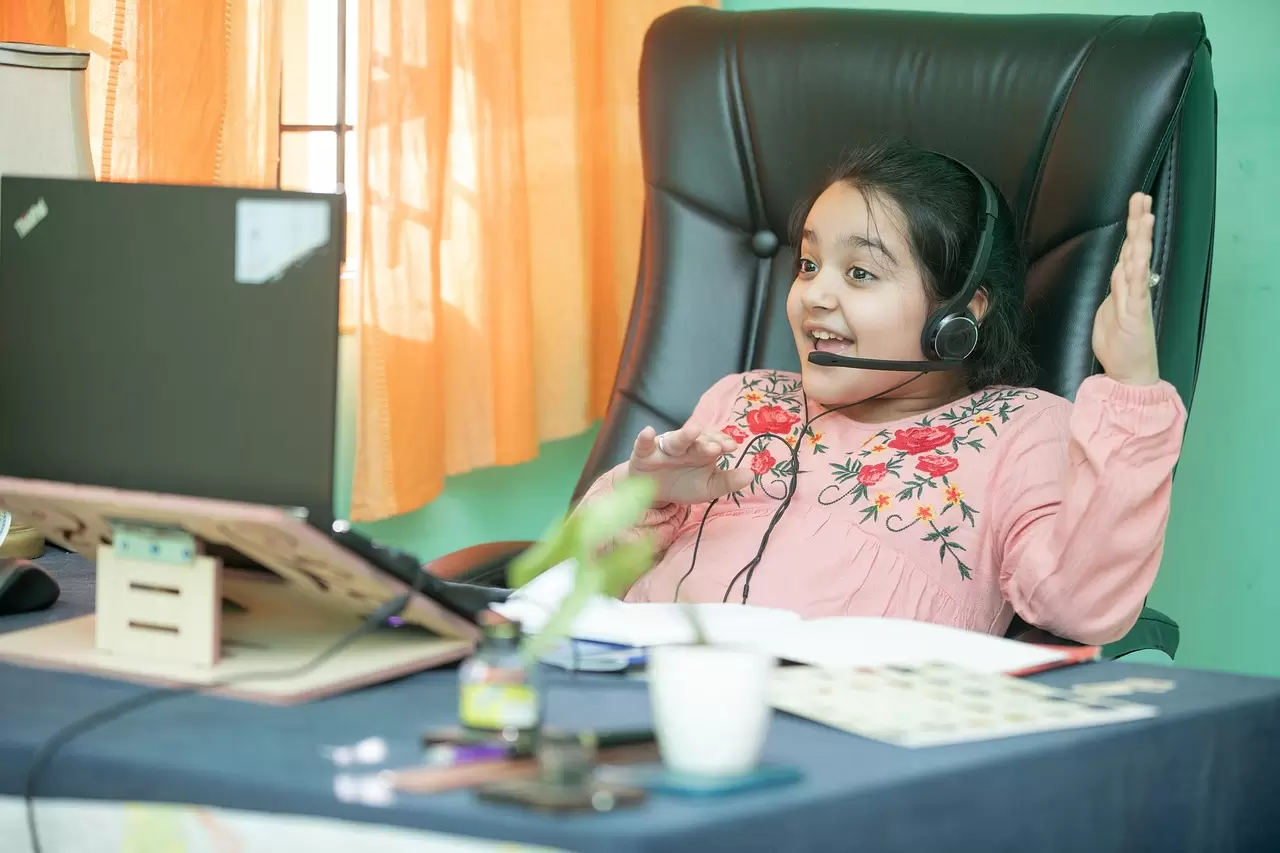
Regular one-to-one conversation with a native speaker, so your child gets the speaking time a classroom rarely gives.
Patient one-to-one French lessons for elementary students, built to strengthen the basics and make French feel good again.
Spaces for evenings and weekends are limited and go first come, first served. Call Lucille or send a short message about your child, their grade and what they need help with.
 Call Now