
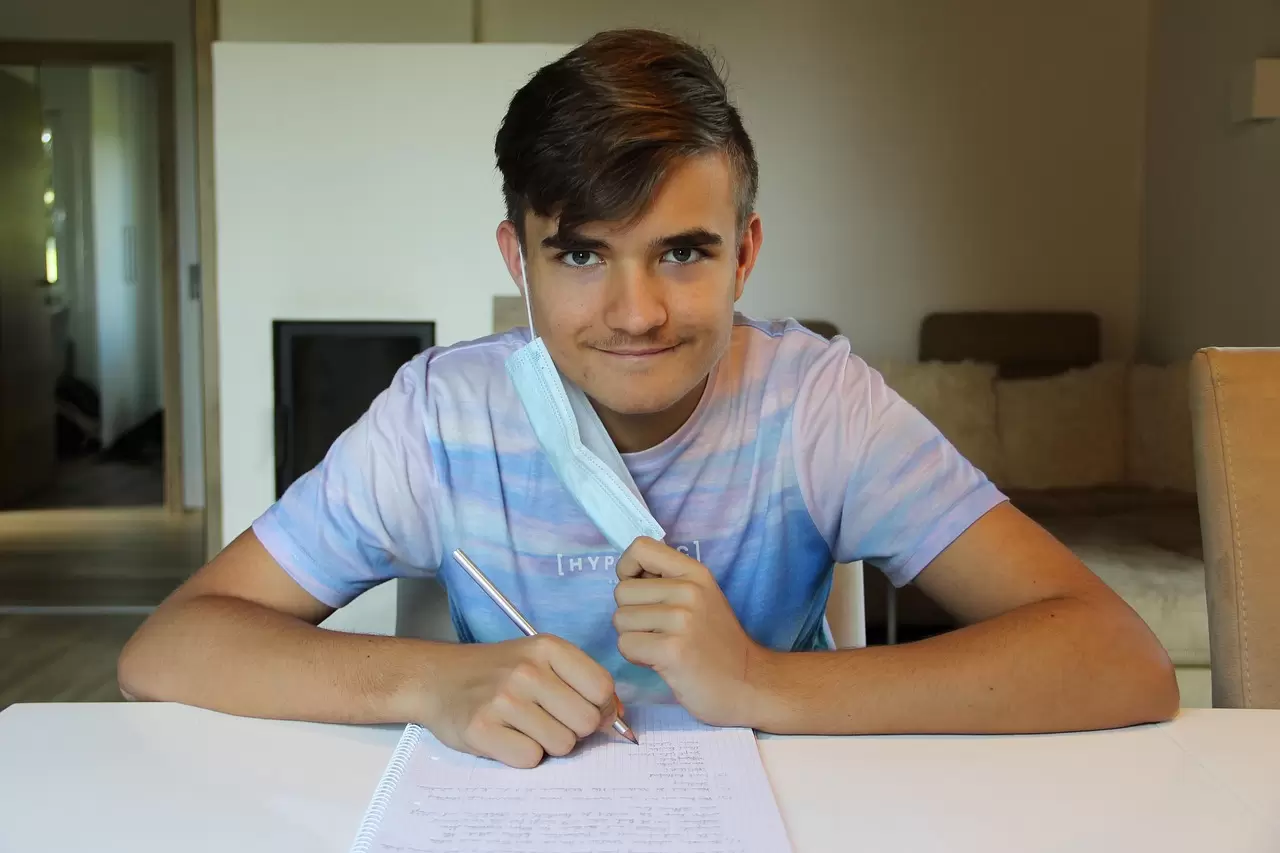
High school French
Private online sessions for teens who need help with essays, oral work, literature or the jump into high school French.
Grammar and writing
Clear, patient help with verbs, agreement, tenses and writing, so your child's ideas come across in correct French.
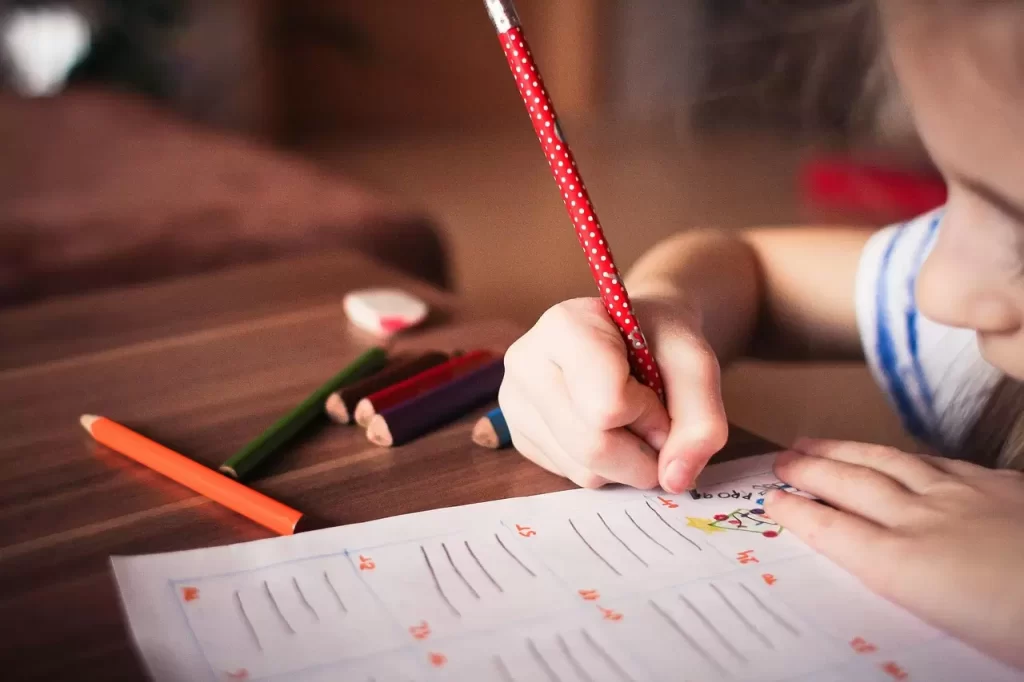
A French grammar and writing tutor helps students understand the rules behind the language and use them in their own writing, so their work becomes clearer and more accurate. Lucille, a native French speaker in Toronto, teaches grammar and writing one to one online to students up to 18, from early sentences to high school essays.
Grammar is where many students lose confidence. Rules seem endless, exceptions pile up, and red marks keep coming back. One-to-one teaching lets a student slow down, understand why a rule works and practise it until it feels natural.
Every student has their own mix of trouble spots. Lucille finds them by looking at real writing as well as exercises, and builds the individualized plan around them.
Grammar sticks when students understand it and then use it. Sessions usually move through a few stages:
Younger children learn grammar through games and patterns rather than labels. Teens can handle more formal explanations, and often feel relieved when someone finally explains why a rule exists.
Good writing in French needs more than correct grammar. Students need to organize ideas, link sentences and choose words with care. Lucille helps at every level:
She encourages students to think and plan in French instead of translating from English, which leads to more natural sentences. For high school course work, see French tutoring for high school students.
One of the most useful skills a student can learn is checking their own work. Lucille helps each student build a short personal checklist of the errors they make most, such as agreement, verb endings or accents, and practise using it. Students who edit carefully catch many mistakes before a teacher ever sees them.
Most students make the same handful of errors again and again. Often the cause is one small misunderstanding, such as thinking all past tenses use avoir, or not knowing how to tell a noun's gender. Fixing that one idea can clear up dozens of red marks at once. Lucille looks for the root of a repeated error before practising, so the time spent on drills actually changes how your child writes. Short follow-up activities in later sessions bring the rule back until it sticks.
Many French programs use dictées, where students write down sentences read aloud. These test listening, spelling and grammar at once, and they can worry students. Lucille practises dictées at the right level, explains each error and shows the pattern behind it. Hearing a native speaker read makes practice closer to the real thing.
Unit tests and final exams reward accurate grammar. For weekly assignments, French homework help keeps grammar connected to what is happening in class.
No. Some students are doing well and want their writing to be stronger, or are heading into a demanding program. Others come from French-speaking homes and speak well but need help with written French. Lucille works with all of them, starting from where each student is.
Sessions are online and one to one, with day, evening and weekend times subject to availability. Spaces are limited and offered first come, first served. Call (416) 733-7694 or write through the contact page, and mention the grammar topics or writing tasks your child finds hardest.
Understanding why a rule works, practising it in short varied tasks and then using it in real writing helps most. Regular one-to-one sessions let a student focus on their own trouble spots.
Both describe the past, but they show different things: a completed action versus an ongoing state or habit. Practice with real stories helps students feel the difference.
Yes. Lucille helps students plan in French, organize ideas, link paragraphs and check their own work. She does not write essays for them.
Yes. This is common for children from French-speaking homes. Sessions focus on spelling, agreement and the written structures that speech does not teach.
Through games, patterns and lots of examples rather than formal labels. Children learn to use correct forms before they learn the names for them.
A dictée is a short text read aloud that students write down, testing listening, spelling and grammar. Regular practice at the right level, with each error explained, builds accuracy and calm.
Fees depend on the plan your child needs. Lucille gives the details when you call (416) 733-7694 or write through the contact page.
Yes. Sessions are live and one to one, with texts and writing shared on screen.
Private online sessions for teens who need help with essays, oral work, literature or the jump into high school French.

Extra one-to-one French for students in Ontario's core French program, where class time is short and every minute counts.
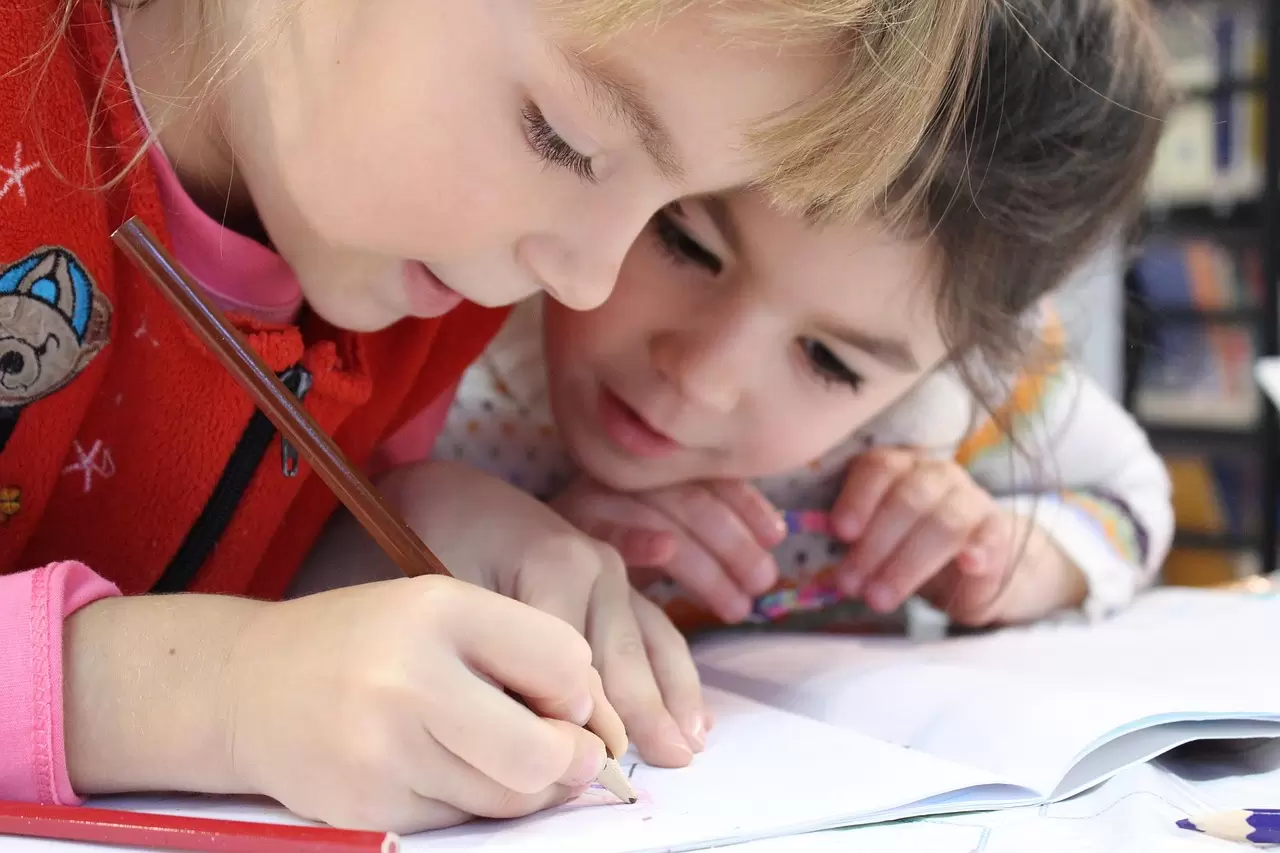
Calm, one-to-one help with French homework, so your child understands the work and learns to tackle it on their own.
Spaces for evenings and weekends are limited and go first come, first served. Call Lucille or send a short message about your child, their grade and what they need help with.
 Call Now