

Elementary French
Patient one-to-one French lessons for elementary students, built to strengthen the basics and make French feel good again.
Core French support
Extra one-to-one French for students in Ontario's core French program, where class time is short and every minute counts.

A core French tutor adds the speaking, reading and writing time that a short daily French class cannot fit in, so your child keeps up and starts to enjoy French. Lucille, a native French speaker based in Toronto, works one to one online with core French students in elementary and high school, with lessons planned around the Ontario program and your child's level.
Core French is the program most students in English-language schools take. French is taught as one subject, usually for a single period a day, while the rest of the day is in English. In Ontario, core French is generally required from grade 4 to grade 8, and many boards start it earlier. In high school, every student needs at least one French credit to earn the diploma, and many students take more.
The program covers listening, speaking, reading and writing, along with learning about French-speaking cultures. Our post on core French vs French immersion explains how it compares with immersion.
With only one period a day, core French students hear and speak much less French than immersion students. Time goes to the whole class, so each child may speak only briefly. Vocabulary learned on Monday is easy to forget by Friday, and a missed week can leave a gap that never quite closes.
That is why many core French students feel they are "bad at French" when the real issue is too little practice. One-to-one sessions give them focused time to speak, ask questions and fill gaps.
Lucille builds an individualized plan for each student, with fresh materials made for them. Depending on age and need, sessions might focus on:
Sessions can also follow what is happening in class, such as an upcoming oral presentation or unit test. See French homework help for assignment support.
For many children, grade 4 is their first year of regular French. A strong start makes a big difference. Lucille makes early lessons playful and full of speaking, so your child builds a base of words and phrases and associates French with success. The elementary French tutor page has more on teaching younger students.
In the intermediate grades, expectations for writing and grammar rise. This is a good time to strengthen verb tenses, sentence structure and vocabulary so the move to high school French is smoother.
Grade 9 French is often a student's first high school French credit. Some students take it only because it is required, and some go on to senior courses. Either way, a solid grade 9 helps. Lucille supports students with the course's speaking, reading and writing tasks. Read our guide to grade 9 French in Ontario and the French tutor for high school students page for more.
Yes. Many core French students go on to speak French well when they get regular practice and support. Weekly sessions with a native speaker give them listening and speaking time they would not otherwise get. See French conversation for kids for speaking practice.
Core French students often lose ground over a long summer break, since they may not hear French at all for two months. A lighter summer plan, with conversation, fun reading and a little writing, keeps vocabulary fresh and makes September easier. Summer can also be a good time to fill gaps from the year before, without the pressure of tests and report cards. Sessions run on days, evenings and weekends, subject to availability, so they can fit around camps and holidays.
Little things help core French students between lessons: a French song playlist, a show with French audio, labelling a few items around the house, or asking your child to teach you the words from today's class. Your interest tells them French matters.
Sessions are online and one to one, with day, evening and weekend times subject to availability. Spaces are limited and offered first come, first served. Call (416) 733-7694 or use the contact page to tell Lucille about your child's grade and school.
Core French teaches French as one subject, usually for one period a day, in English-language schools. It covers listening, speaking, reading and writing. It is generally required from grade 4 to grade 8, and many boards begin earlier.
In core French, French is one subject. In immersion, other subjects are also taught in French, so students spend much more of the day in French.
Students need at least one credit in French as a second language to earn the Ontario high school diploma. Many students earn it in grade 9.
A tutor gives your child the extra speaking, reading and vocabulary time that a short daily class cannot. Lessons can also follow class units and upcoming tests.
Yes, with regular practice. Weekly conversation with a native speaker builds listening and speaking skills that class time alone may not.
Many families start in the junior grades to build a strong base, or before grade 9 to prepare for high school French. It is never too late to begin.
Fees depend on the plan your child needs. Lucille gives the details when you call (416) 733-7694 or write through the contact page.
Lessons are planned around what your child is studying at school, including upcoming units, tests and presentations. Your child can share class materials during sessions.
Yes. All sessions are live, online and one to one, with day, evening and weekend times subject to availability.
Patient one-to-one French lessons for elementary students, built to strengthen the basics and make French feel good again.
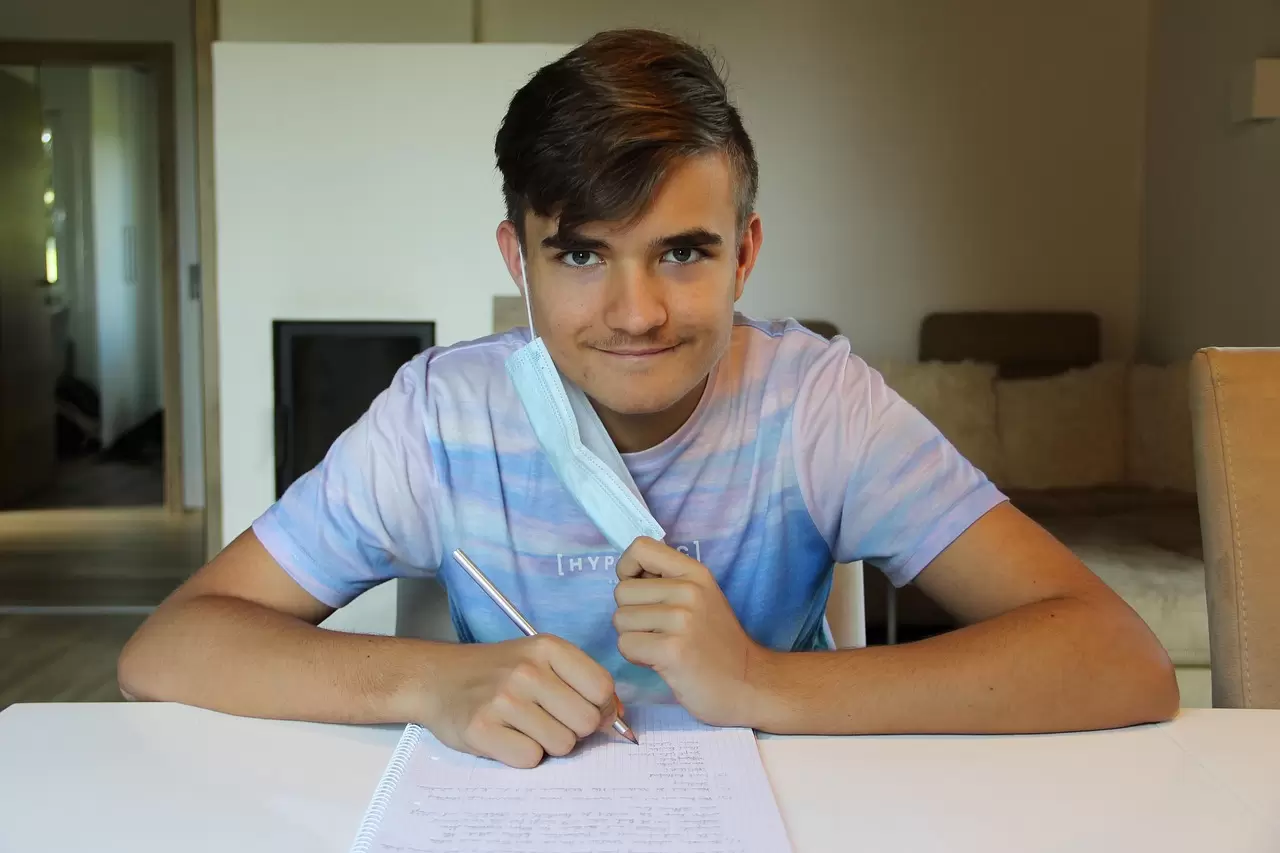
Private online sessions for teens who need help with essays, oral work, literature or the jump into high school French.

Calm, one-to-one help with French homework, so your child understands the work and learns to tackle it on their own.
Spaces for evenings and weekends are limited and go first come, first served. Call Lucille or send a short message about your child, their grade and what they need help with.
 Call Now