

Grammar and writing
Clear, patient help with verbs, agreement, tenses and writing, so your child's ideas come across in correct French.
Grades 9 to 12
Private online sessions for teens who need help with essays, oral work, literature or the jump into high school French.
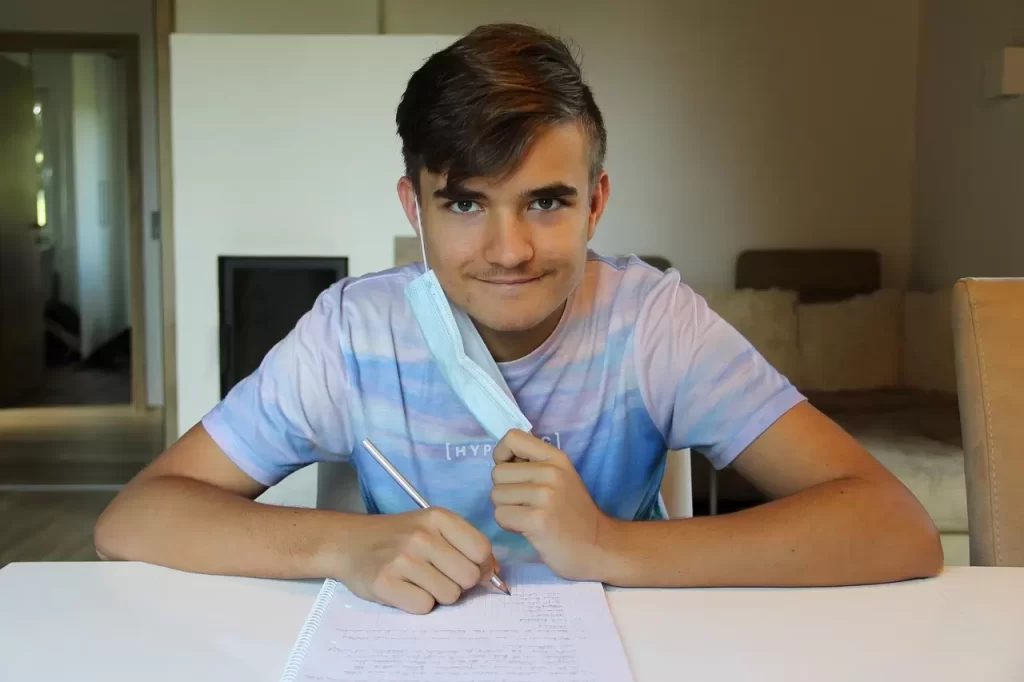
A French tutor for high school students gives a teen private time to work on the exact things their course asks for: essays, oral presentations, grammar, reading novels and keeping up with the pace. Lucille, a native French speaker in Toronto, works one to one online with students in grades 9 to 12, in core French, extended French, immersion and French-language schools.
High school French is a different job from elementary French. Courses move faster, marks count toward credits, and students are expected to work more on their own. Teens who did fine in grade 8 can suddenly feel lost, and many will not tell anyone until a report card arrives.
In Ontario, every student needs at least one credit in French as a second language to earn the high school diploma, and for many students in English-language schools that credit is grade 9 French. For students who found French hard in elementary school, this course can feel like a lot. For students coming from immersion, the high school program raises the bar for writing and literature.
Starting tutoring early in grade 9, or the summer before, helps a teen settle into the new expectations. Our blog post on grade 9 French in Ontario explains what parents can expect.
Teens do their strongest work when they feel in charge of it. Lucille treats high school students as partners in the plan. She asks what they find hard, what is coming up in class and how they like to work. Some want to go through every assignment. Others want conversation practice so they stop dreading oral marks. The individualized plan reflects what the student says, along with what parents see.
Materials are prepared fresh for each student. For one teen that might be articles on a topic they care about, for another a scene from the novel their class is reading, or a mock oral exam built from the course outline.
Writing is where many high school students lose the most marks. The ideas are there, but the French gets tangled. Lucille helps students plan in French from the start, instead of writing in English and translating, which tends to produce awkward sentences. She shows them how to build a clear thesis, use connecting words, vary their sentences and check their own work for the mistakes they make most often.
She does not write assignments for students. The goal is for your teen to hand in work that is theirs and to understand why it is better. For a focus on grammar and editing, see French grammar and writing tutoring.
Many teens are self-conscious speaking French in front of classmates. A weekly one-to-one conversation with a native speaker turns speaking into a habit. Students practise their presentations, learn natural phrases for agreeing, disagreeing and giving opinions, and build an accent that sounds closer to real French. The French conversation page has more on how speaking sessions run.
Senior French courses often include a novel or several shorter literary texts. Lucille reads with students, discusses meaning and helps them form their own opinions about what they read. Talking it through in French first makes it much easier to write about later. See French reading and literature tutoring for more.
Some high school students want to speak more confidently, read French novels with ease or keep French going after their required credit. Lessons can focus on conversation and literature alongside course work. Read more on French conversation and reading and literature.
Teens rarely ask for help directly. Watch for French homework left to the last minute, a sudden drop in a test mark, worry about an upcoming oral, or comments like "the teacher talks too fast." Some students also start talking about dropping French when they could take it further. A few sessions can show whether the issue is a gap in grammar, missing vocabulary or simple nerves, and the plan can target exactly that.
High school students juggle classes, sports, part-time jobs and homework. Sessions are online, so there is no travel, and times are available on days, evenings and weekends, subject to availability. Lucille works with students up to 18 years old, and spaces are limited and offered first come, first served.
Call (416) 733-7694 or use the contact page. It helps to mention your teen's grade, course and what is coming up, such as a test, a presentation or an exam.
Ontario students need at least one credit in French as a second language to earn the high school diploma. Many students in English-language schools earn it in grade 9. Your teen's school can confirm their own course plan.
Core French teaches French as one subject for part of the day. Extended French adds more time in French, often with another subject taught in French too. Programs differ by school board, so check with your teen's school.
Yes. Lucille helps students plan in French, structure paragraphs, use connecting words and correct their own common errors. She does not write assignments for them.
Often, yes. Speaking one to one with no classmates watching lets a teen practise without pressure. Regular sessions make speaking feel normal, which carries over to class.
Yes. Lucille reads and discusses texts with students so they understand them and can form their own opinions before writing or presenting.
Yes. Lucille works with immersion students on the writing, reading and speaking that senior courses expect.
Fees depend on the plan your teen needs. Lucille gives the details when you call (416) 733-7694 or write through the contact page.
Ideally before marks slip, such as the start of grade 9 or the beginning of a semester. It is also common to start a few weeks before a big test or presentation.
Yes. Sessions run on days, evenings and weekends, subject to availability. Spaces are limited.
Clear, patient help with verbs, agreement, tenses and writing, so your child's ideas come across in correct French.
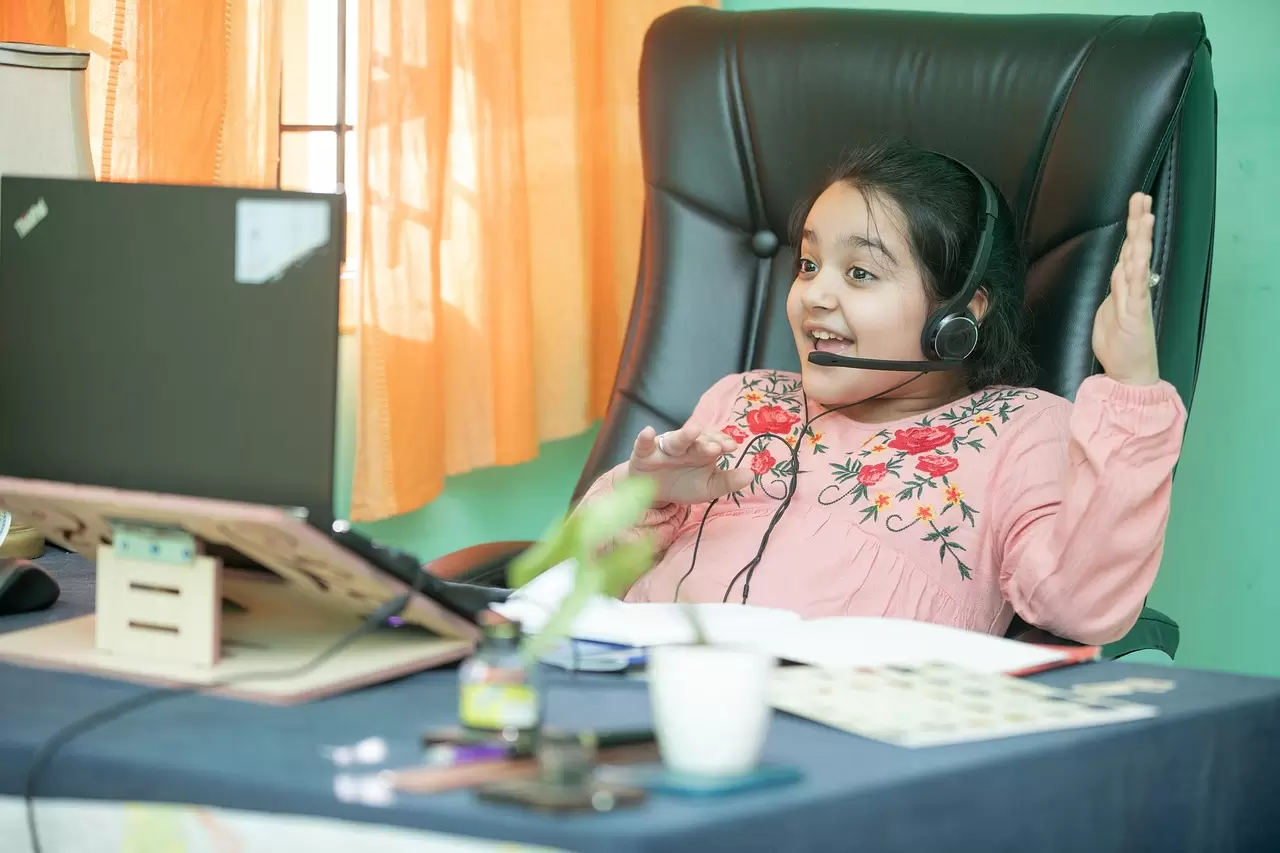
Regular one-to-one conversation with a native speaker, so your child gets the speaking time a classroom rarely gives.
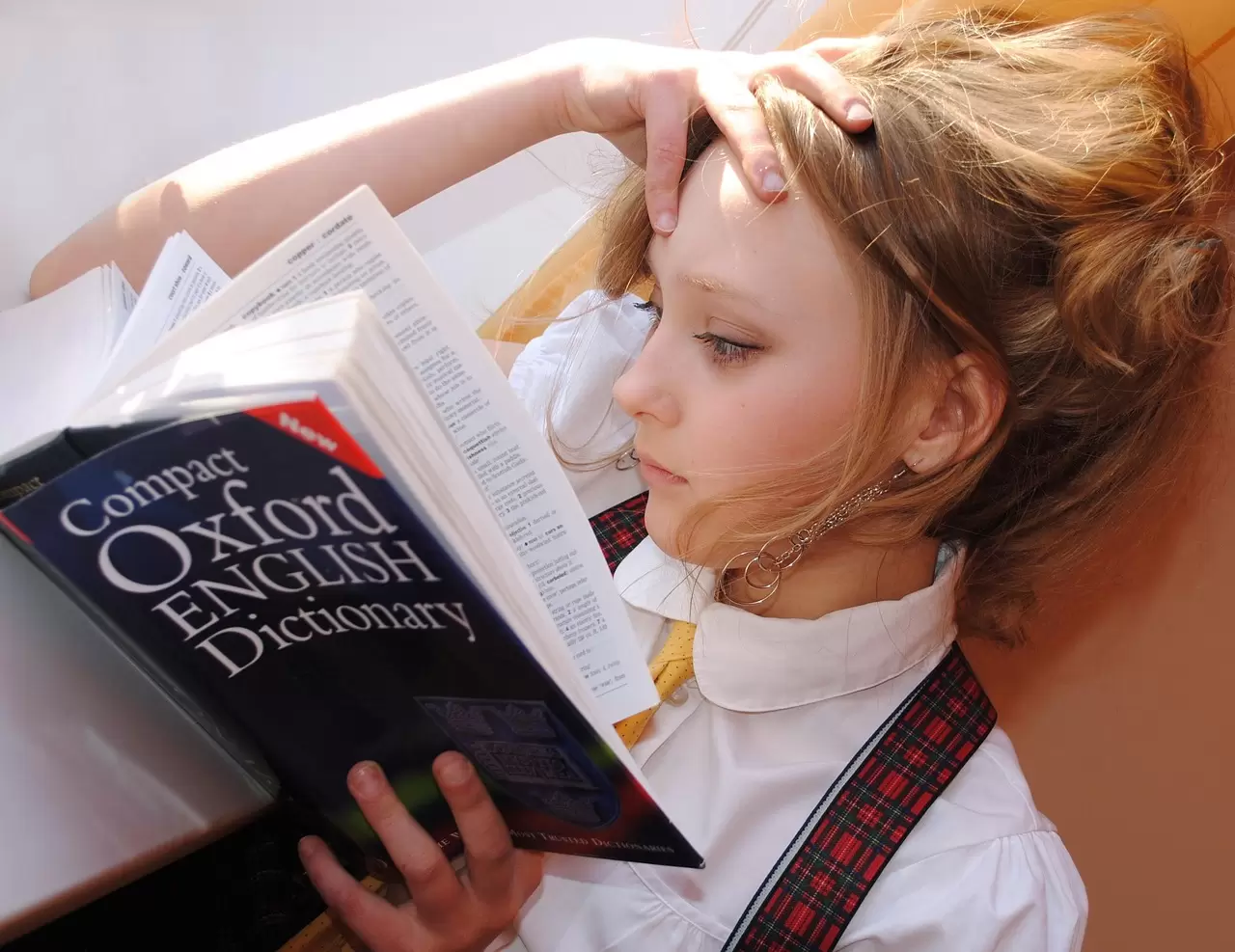
One-to-one help for children learning to read in French, and for teens working through novels, poems and plays.
Spaces for evenings and weekends are limited and go first come, first served. Call Lucille or send a short message about your child, their grade and what they need help with.
 Call Now