
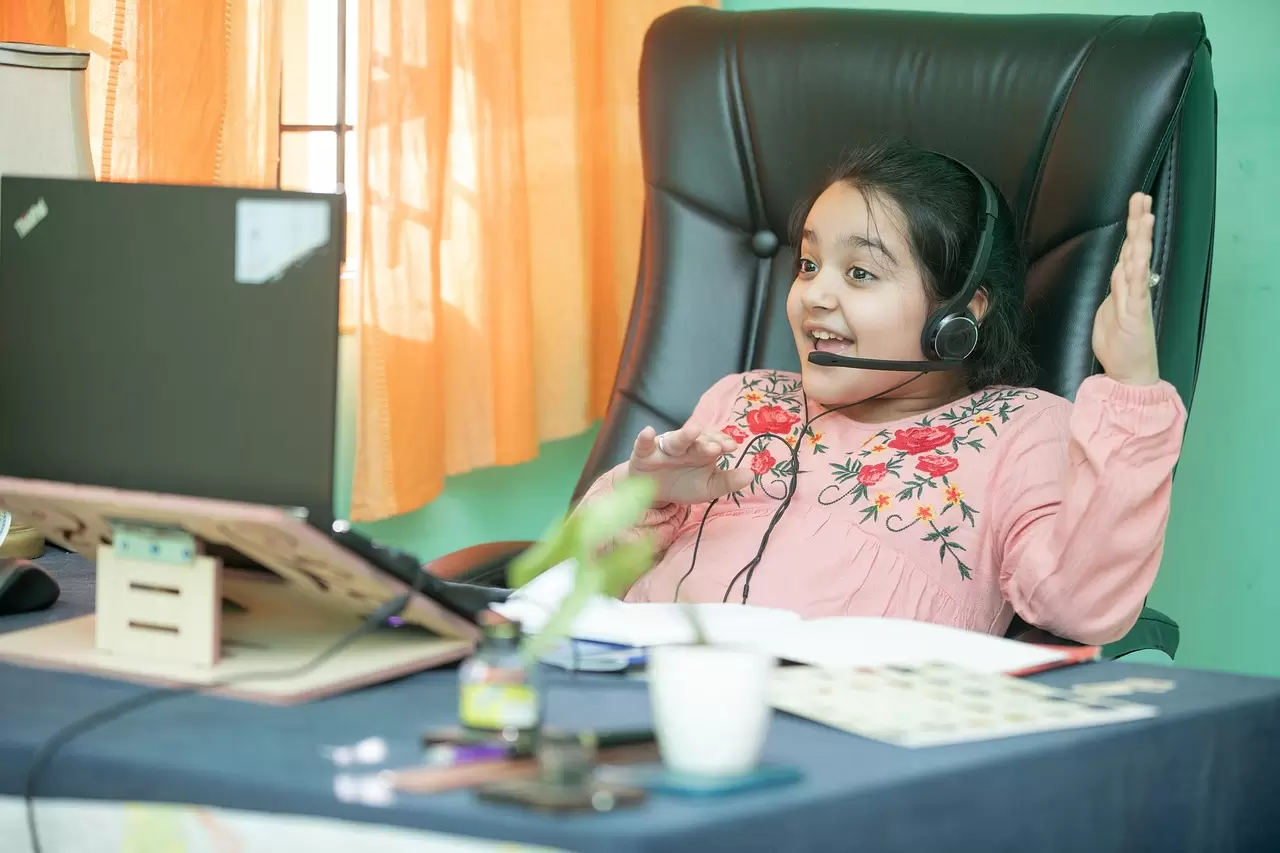
French conversation
Regular one-to-one conversation with a native speaker, so your child gets the speaking time a classroom rarely gives.
Reading and literature
One-to-one help for children learning to read in French, and for teens working through novels, poems and plays.
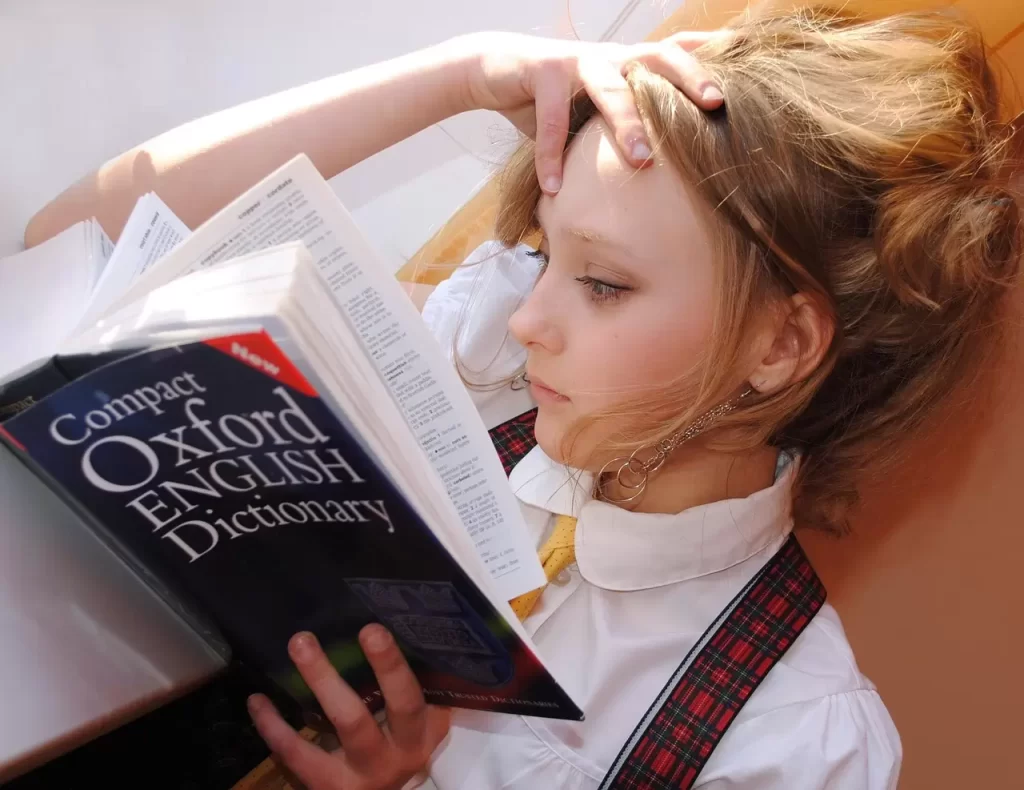
A French reading tutor helps your child read French more accurately, more smoothly and with real understanding, from sounding out first words to discussing a novel. Lucille, a native French speaker in Toronto, teaches reading and literature one to one online, choosing and creating texts that suit your child's level and interests.
Reading is often the skill that holds everything else together. A child who reads well picks up vocabulary, sees grammar in action and has more to say. A child who struggles to read can fall behind in every subject taught in French.
French spelling follows patterns, but they are different from English ones. Children who already read English often try to read French the English way, which leads to mistakes. Common trouble spots include:
When nobody at home reads French aloud, children may never hear the correct sound for a spelling. Hearing a native speaker read and model these patterns makes a real difference.
For young children, especially in French immersion, reading starts with sounds. Lucille teaches the link between sounds and spellings through games, short words and stories made for the child. She reads aloud, then reads with your child, then lets your child try on their own, so they are never left guessing.
Early stories are short and full of words your child knows, often built around a favourite topic. Success comes early and often, which keeps a young reader willing to try. For more on this age group, see elementary French tutoring.
Once a child can decode, the goal shifts to reading smoothly and understanding what they read. Some children read aloud well yet cannot say what a paragraph was about. Others understand but read so slowly that longer texts wear them out.
Sessions at this stage include:
High school French courses often include novels, short stories, poems or plays. For many students this is the first time they read a long text in French, and it can be overwhelming. Lucille breaks the work into manageable sections, checks understanding as they go and helps students talk about themes, characters, language and their own reactions.
Discussing a book in French before writing about it gives students the vocabulary and ideas they need for essays and presentations. See French tutoring for high school students for help with the rest of the course.
A book that is too hard turns reading into a chore, and a book that is too easy teaches little. Lucille looks for texts just above your child's comfortable level, about topics they actually like. She also writes or adapts materials when the right text does not exist, so a child who loves dinosaurs, hockey or fashion can read about it in French.
At home, look for French books, comics and audiobooks your child chooses for fun. Reading something enjoyable at an easy level builds fluency faster than you might expect. Our post on helping your child learn French at home has more tips.
Parents sometimes worry that French reading will slow down English reading, or the other way round. Many skills carry across languages: following a story, predicting what happens next, and knowing how to tackle an unfamiliar word. Lucille points out these links so your child sees that being a reader in one language helps in the other. Reading in English at home still counts.
Reading aloud with a native speaker improves pronunciation, and talking about what they read improves speaking. Many reading sessions naturally include conversation. If speaking is also a goal, see French conversation for kids.
If your child is in immersion, reading difficulties can affect other subjects too. The French immersion tutor page explains how sessions connect to school work.
Lessons are online and one to one, with day, evening and weekend times subject to availability. Spaces are limited and offered first come, first served. Call (416) 733-7694 or write through the contact page.
Offer French audiobooks and read-along books so your child can hear the words while reading. Ask your child to tell you about the story in English or French. A tutor can model the sounds you cannot.
Children who read English first often apply English spelling rules to French. Learning French sound patterns, such as silent endings and letter groups, helps them read more accurately.
Choose books just a little above your child's comfortable level on a topic they enjoy. Comics, picture books and short chapter books all work. Lucille can suggest texts that suit your child.
Yes. Lucille reads and discusses literature with teens, checks understanding and helps them form ideas for essays and presentations.
Talking about the text before, during and after reading helps, along with learning key words in context. Short passages and regular questions build comprehension step by step.
Yes. Texts can be shared on screen, words highlighted and sounds modelled clearly, all live and one to one.
Fees depend on the plan your child needs. Lucille gives the details when you call (416) 733-7694 or write through the contact page.
Reading support can begin as soon as a child starts learning letters and sounds in French, often in the early school years. Lucille also works with teens on literature.
Yes. Reading aloud with a native speaker improves pronunciation, and talking about books builds vocabulary and confidence.
Regular one-to-one conversation with a native speaker, so your child gets the speaking time a classroom rarely gives.

Patient one-to-one French lessons for elementary students, built to strengthen the basics and make French feel good again.

One-to-one help for children in French immersion, especially when no one at home speaks French.
Spaces for evenings and weekends are limited and go first come, first served. Call Lucille or send a short message about your child, their grade and what they need help with.
 Call Now