There is no single right age for a child to start learning French. Young children pick up sounds and accents with ease, while older children and teens bring reading skills, memory and a sense of purpose that help them learn quickly. The right time to start is whenever your child can get regular, enjoyable contact with the language.
This guide looks at what each age brings, answers common worries such as "is it too late?" and explains how to match the approach to your child.
Why early starts are popular
Very young children are tuned in to sounds. They copy accents, rhythms and new words without feeling self-conscious, and they are usually happy to play and sing in another language. Children who hear French early often develop a natural-sounding accent and get used to French sounds that can be harder to learn later.
Early starts also build familiarity. A child who has heard French songs and stories from a young age tends to see French as a normal part of life, which makes school French feel less strange.
Can a 3 year old learn a new language?
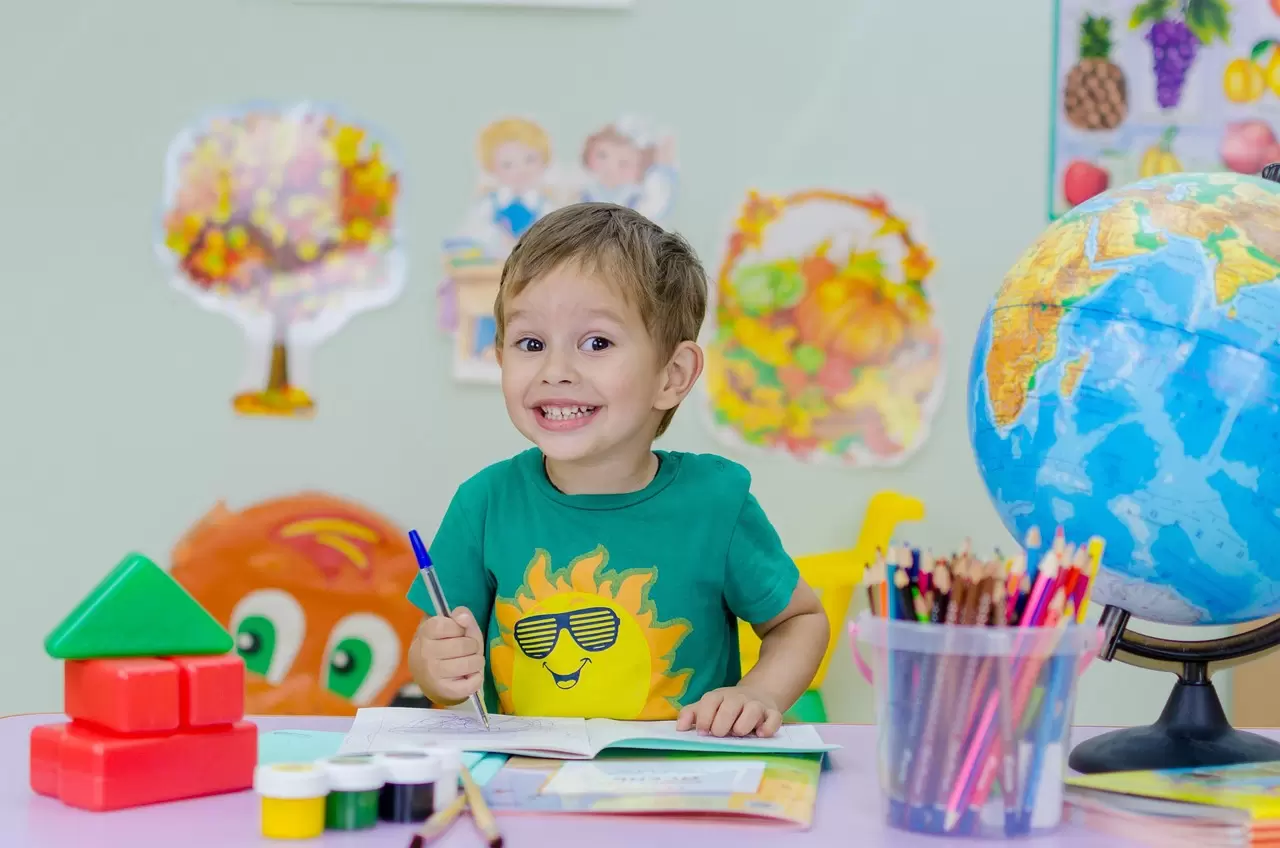
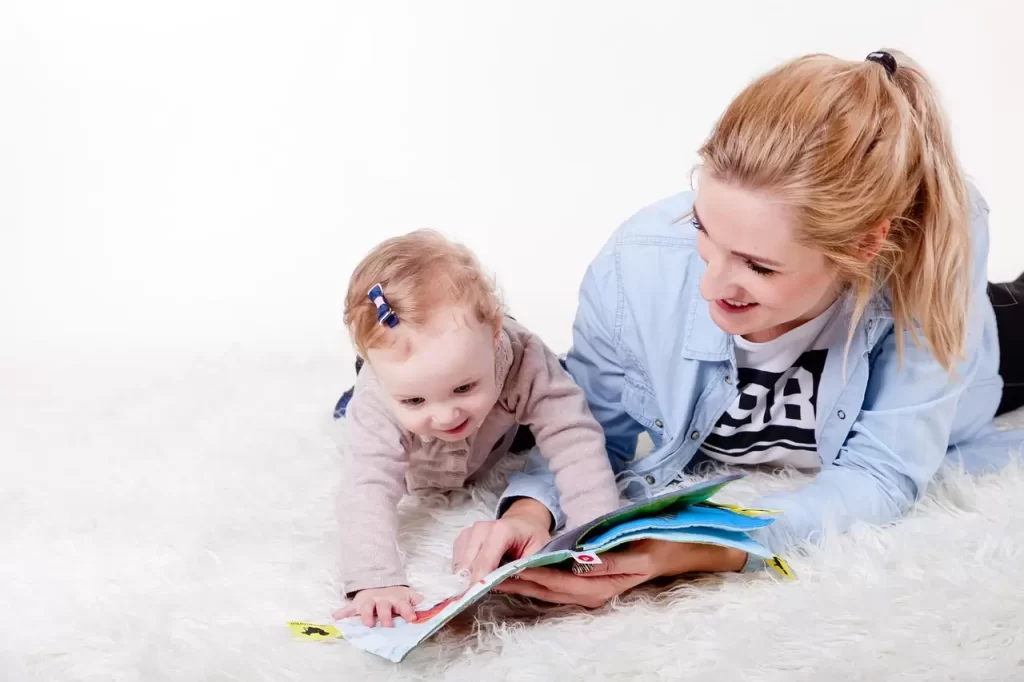
Yes. Children of this age learn language through play, routines, songs, picture books and simple conversation. They will not study grammar, and they do not need to. What matters is regular, cheerful contact with French in short bursts that match their attention span.
Is 2 years old too late to start a new language? No. Two is still very early. Children of every age can learn a new language, and toddlers in particular absorb sounds and words quickly when French is part of play.
What about children who already speak two languages?
Many Toronto families speak another language at home, and parents sometimes worry that adding French will confuse their child. Children are well able to learn more than one language. They may mix words from different languages for a while, which is a normal part of the process and fades with time. Keep the home language strong and let French grow alongside it.
Starting in the elementary years
School-age children have new strengths. They can read, follow instructions, remember vocabulary and start to notice patterns in grammar. They also enjoy games, challenges and stories, which makes French fun to practise.
In Ontario, core French is part of the curriculum from grade 4 to grade 8, and many school boards also offer French immersion with an early entry point in the primary years. Our guides to French immersion in Ontario and core French vs French immersion explain how the programs differ.
Is it too late to start French as a teen?
No. Teens often learn faster than younger children in the early stages, because they can understand explanations, use study strategies and set goals. A teen who wants to speak French for a trip or a future job can make strong progress with steady practice.
The main challenge for teens is often confidence. They may feel embarrassed about their accent or worry about mistakes. A patient, private setting where they can practise without classmates watching helps a great deal.
How to match the approach to your child's age
- Toddlers and preschoolers: songs, rhymes, games, picture books and short, playful conversations. The goal is enjoyment and listening.
- Early elementary: stories, simple reading, games and speaking about daily life. The goal is building vocabulary and comfort with speaking.
- Older elementary: more reading, short writing tasks and the first grammar patterns, always connected to topics your child likes.
- Teens: conversation on real topics, literature, grammar with clear explanations and preparation for school tests.
What matters more than age
Age is only one part of the picture. A few other things tend to make a bigger difference to how well a child learns French.
- Regular contact: a little French every week, ideally a few times a week, keeps it alive.
- Enjoyment: children learn more when French feels like fun.
- Speaking time: listening and speaking need practice with a real person, not just apps or worksheets.
- Encouragement: praise for effort keeps children trying, especially when they make mistakes.
Signs your child is ready to start
For a young child, readiness simply means they enjoy songs, stories and playing with sounds. For a school-age child, it might be curiosity about French at school, a friend who speaks French or a family trip. For a teen, it is often a goal: a course, an exam or a plan for the future. Any of these is a good reason to begin.
How quickly will my child learn?
Progress depends on how much French your child hears and uses, not only on age. A young child may understand a lot before saying much, which is normal: listening usually comes first. School-age children often make visible progress in reading and vocabulary within a school year of steady practice. Teens can move quickly when they have a clear goal and regular speaking practice.
Try not to compare your child with siblings or classmates. Every child has quiet periods and sudden jumps. What matters is steady contact with French and a sense that learning it is enjoyable and worthwhile. If you want ideas for building that contact at home, see how to help your child learn French at home.
If you are wondering whether it is too early or too late, it is almost always neither. The right time is when you can make French regular and enjoyable.
Help for every age at Learn French Toronto
Lucille has tutored children one-to-one for more than 20 years, from early childhood through elementary and high school. Sessions are private and online, and each one is planned around your child's age, level and interests. See French for preschoolers, elementary French tutoring or high school French tutoring.