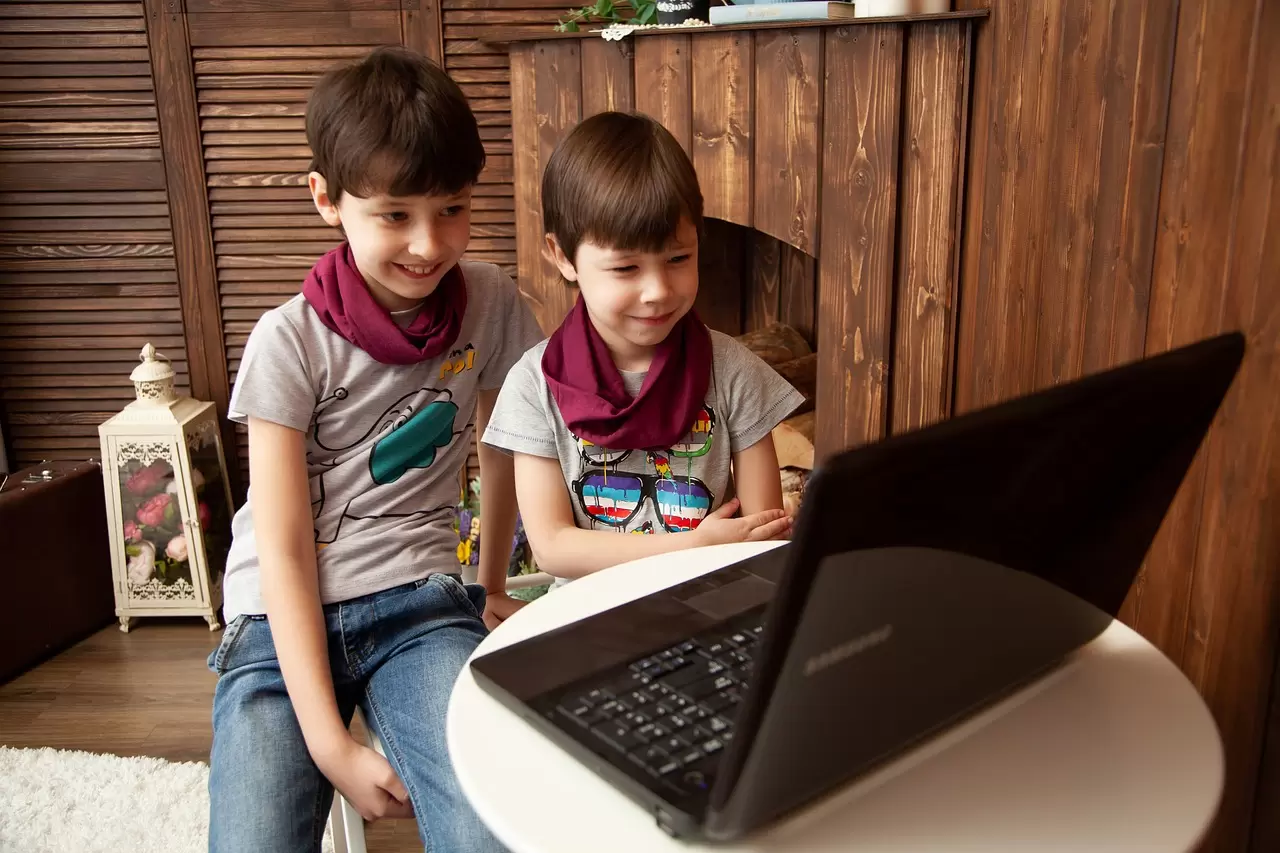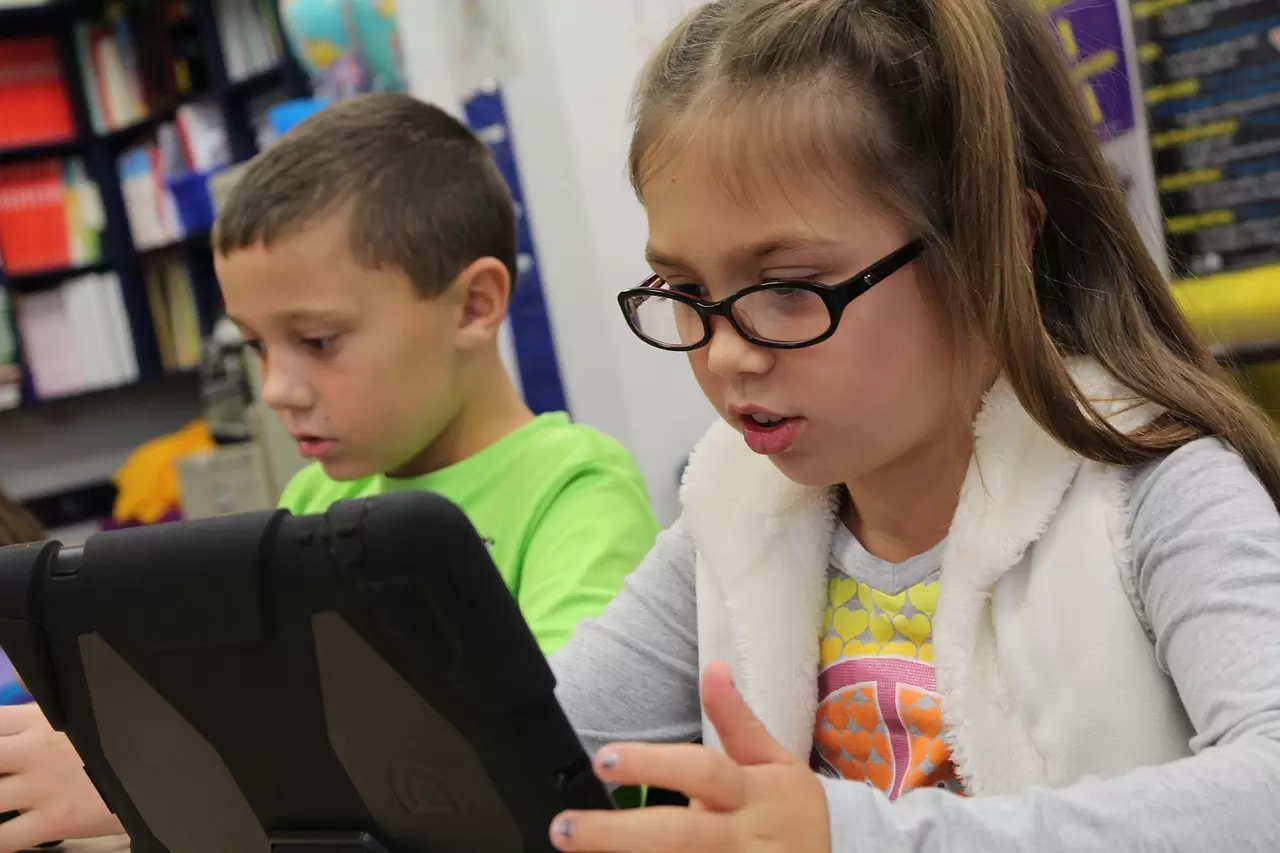
Online French tutoring for kids is a private, live session between your child and a tutor over video, from the comfort of home. Your child sees and hears the tutor, speaks French throughout, and works with materials shared on screen, with no travel time for your family.
If your child has never had an online lesson, it is natural to wonder how it will work. This guide covers the setup, the first session, a typical lesson and how you can help.
What you need at home
The setup is simple, and most families already have what they need.
- A computer, laptop or tablet with a camera and microphone. A larger screen is easier for reading shared materials than a phone.
- A stable internet connection. If the connection is weak, sit closer to the router.
- Headphones with a microphone, which help your child hear clearly and cut background noise.
- A quiet spot with good light, away from siblings, pets and the TV.
- Paper and a pencil for notes and quick writing practice.
Test the camera and sound a few minutes before the first session so you start on time and relaxed.
What happens in the first session
The first session is about getting to know your child. The tutor will chat with them, in French and in English if needed, to find out what they enjoy, what they find hard and what they already know. A short, friendly conversation and a few simple tasks help the tutor judge your child's level without making it feel like a test.
From there, the tutor builds an individual plan around your child's goals, whether that is keeping up in immersion, speaking with more confidence, reading, grammar or preparing for a test.
What a typical online lesson looks like
Every session is different, because it is planned around your child. A typical lesson often includes a mix of these parts.
- A warm-up chat about your child's week to get them speaking.
- A focus activity such as a reading, a grammar point, a story or homework from school.
- Speaking practice through questions, role plays or short presentations.
- Games or quick challenges to keep younger children engaged.
- A short wrap-up with a few words or ideas to practise before next time.
Materials such as texts, pictures and exercises are shared on screen, so your child can read, point and answer as they would at a table.
Is online tutoring as effective for kids?
For language learning, online sessions work very well. Speaking and listening are the heart of learning French, and both happen naturally over video. One-to-one attention means your child does much of the talking, and the tutor can adjust every activity in the moment.
Many children also feel more relaxed at home, in a familiar space. Shy children in particular often speak more freely online than in a classroom. And because there is no travel, it is easier to keep a regular schedule, which is one of the biggest factors in steady progress.
Online tutoring for younger children
Young children can do very well online when sessions are lively and short enough to match their attention span. Tutors use songs, pictures, puppets, games and stories to keep things moving. For preschoolers and children in the early grades, it helps if a parent stays nearby at the start to help with the technology and settle the child. See French for preschoolers for more about early learning.
Your role as a parent
- Set up the device and quiet space before each session.
- Stay close for the first few sessions, then step back as your child settles in.
- Keep a regular weekly time so the session becomes part of the routine.
- Share school news with the tutor, such as upcoming tests or projects.
- Ask your child what they talked about, and show interest in what they learned.
Tips to help your child focus online
- Close other tabs and apps, and silence notifications.
- Have a snack and a drink of water before the session, not during.
- Keep toys and phones out of reach unless the tutor asks for them.
- Choose a time when your child is not too tired, such as after a short break following school.
Scheduling online sessions
Online sessions are easy to fit around school and activities. Day, evening and weekend times are often possible, depending on the tutor's availability. With no travel, a session can follow soon after school or fit between other activities. You can read more about scheduling in how it works.
Getting the most from each session
Short practice between sessions makes each one count. A few minutes of reading, a French song or practising new phrases at home keeps learning fresh. Our ideas for French conversation practice for kids are a good start.
Common worries about online lessons
"My child is shy on camera." Most children settle within a session or two. A friendly start, easy questions and topics your child enjoys help a lot.
"What if the connection drops?" Short interruptions happen. Reconnecting usually takes a moment, and sitting closer to the router or using a wired connection reduces problems.
"Will my child spend too long on a screen?" A tutoring session is active: your child is speaking, listening, reading and writing, which is very different from passive screen time.
Before the first session, sit with your child for two minutes and check the camera, sound and lighting together. It makes the start much smoother.
Online French tutoring with Learn French Toronto
Lucille is a native French speaker based in Toronto who has tutored children and teens one-to-one for more than 20 years. All sessions are private and online, each one planned around your child with fresh materials made for them. Learn more about online French tutoring, or get in touch to talk about your child.